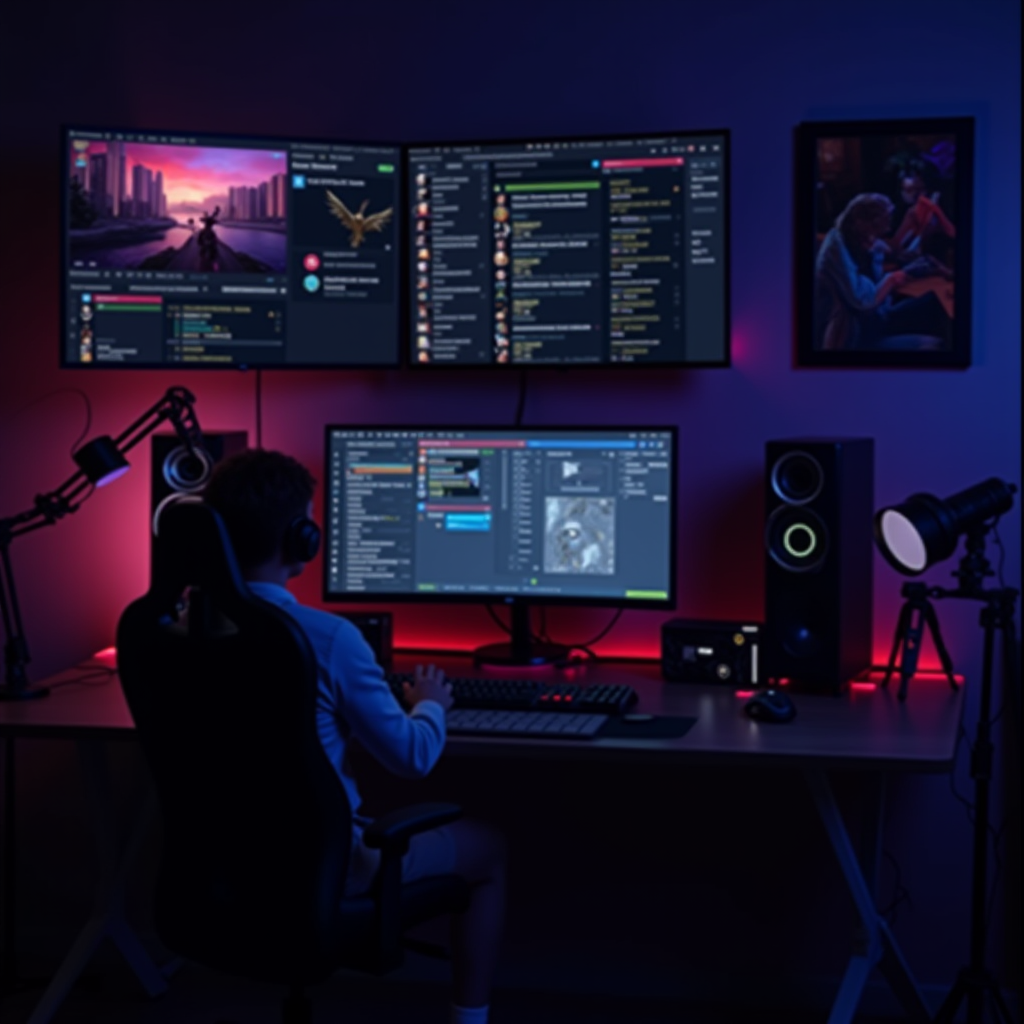
Why Gamers Trust Content Creators More Than Professional Reviewers
The parasocial relationships between gamers and content creators have fundamentally transformed how players evaluate and choose games, creating trust dynamics that traditional media cannot replicate.
In the modern gaming landscape, a curious phenomenon has emerged: players consistently place more trust in content creators they follow than in professional game reviewers with decades of industry experience. This shift represents more than just a preference for entertainment over analysis—it reflects fundamental psychological mechanisms that govern how we form trust, evaluate authenticity, and make purchasing decisions in digital communities.
When a favorite streamer spends forty hours exploring every corner of a new RPG, viewers don't just watch gameplay—they experience a shared journey. They witness genuine reactions to plot twists, observe problem-solving in real-time, and participate in discovery alongside someone they've come to know through hundreds of hours of content. This creates a fundamentally different relationship than reading a 2,000-word review from a professional critic, no matter how well-written or insightful that review might be.
The psychology behind this trust disparity reveals much about how community influence shapes game choice in the digital age, and why honest player feedback from familiar voices carries more weight than polished professional criticism.
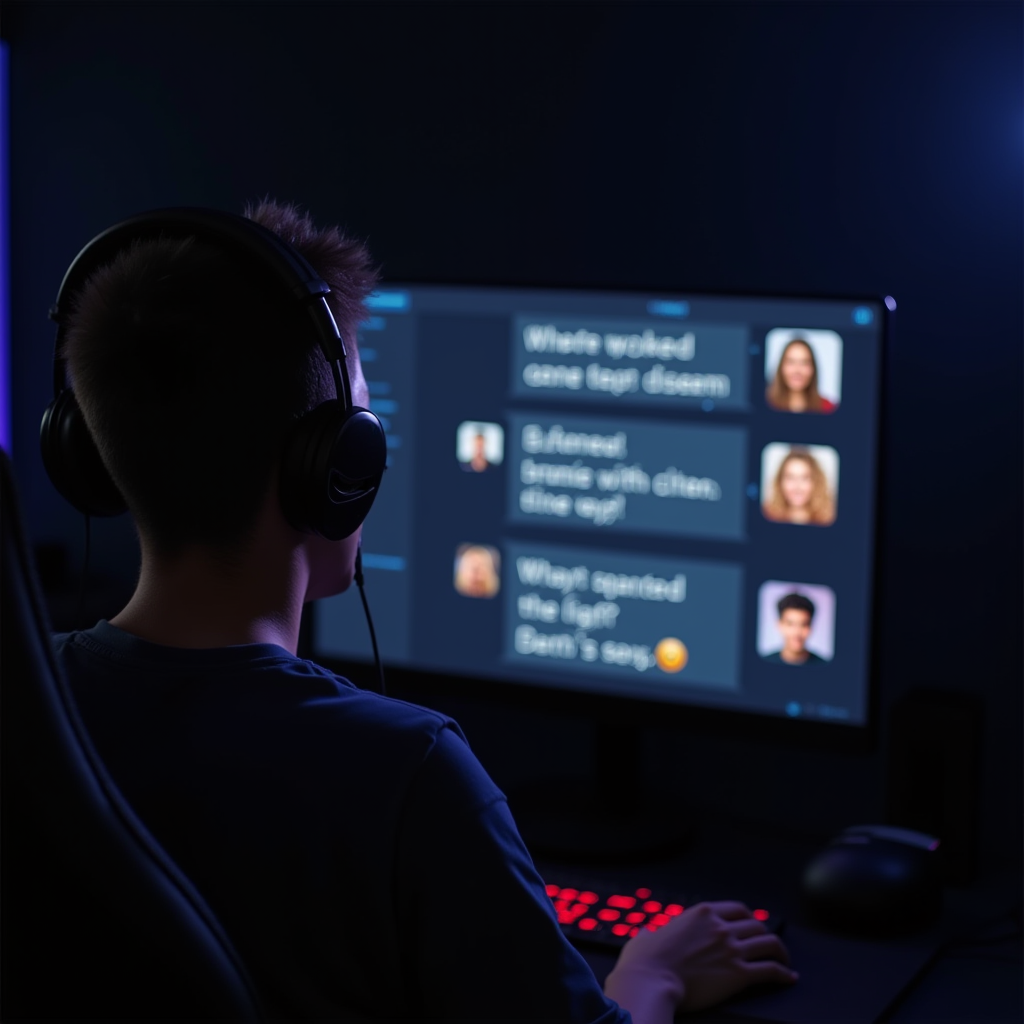
The interactive nature of streaming creates bidirectional relationships that traditional media cannot replicate
The Parasocial Bond: When Viewers Become Virtual Friends
Parasocial relationships—one-sided connections where audiences feel they know media personalities despite no real reciprocal relationship—have existed since the early days of television. However, gaming content creators have elevated these relationships to unprecedented levels of intimacy and influence. Unlike traditional celebrities who appear in carefully produced content, streamers and YouTubers share hours of unfiltered gameplay, often multiple times per week, creating a sense of ongoing companionship.
This consistency breeds familiarity. Viewers learn creators' gaming preferences, sense of humor, frustration triggers, and even personal life details shared during streams. When that creator recommends or criticizes a game, it doesn't feel like marketing or professional analysis—it feels like advice from a friend who knows what you like because you've spent countless hours "together."
"I've watched this streamer for three years. I know their taste in games matches mine. When they say something is good or bad, I trust that more than any review site because I've seen them play hundreds of games and I know how they think." - Survey respondent explaining their trust in content creators
The interactive nature of streaming platforms amplifies this effect. When viewers can ask questions in chat and receive real-time responses, when their usernames are recognized and remembered across streams, when they participate in community inside jokes and shared experiences, the parasocial relationship gains elements of actual social interaction. This creates a powerful psychological foundation for trust that professional reviewers, operating at arm's length from their audience, cannot easily replicate.
Research in media psychology shows that parasocial relationships activate similar neural pathways as real friendships. When we watch someone we feel connected to, our brains process their experiences with heightened emotional engagement. Their excitement becomes our excitement; their disappointment resonates as personal letdown. This emotional synchronization makes their opinions feel more relevant and trustworthy than abstract critical analysis from strangers, regardless of those strangers' credentials.
Authenticity Signals: The Power of Unfiltered Reactions
One of the most significant advantages content creators hold over traditional reviewers is the perception of authenticity. Professional reviews, by their nature, are edited, structured, and polished. They represent a final product after hours of gameplay, note-taking, and careful consideration. While this process produces thoughtful analysis, it also creates distance between the reviewer's experience and the reader's perception of that experience.
Content creators, particularly streamers, offer something fundamentally different: unedited, real-time reactions. When a streamer encounters a frustrating bug, viewers see the immediate annoyance. When a plot twist lands perfectly, the genuine surprise is captured live. When gameplay mechanics click into place after hours of struggle, the authentic satisfaction is shared in the moment. These unfiltered responses serve as powerful authenticity signals that viewers interpret as more trustworthy than carefully worded critique.
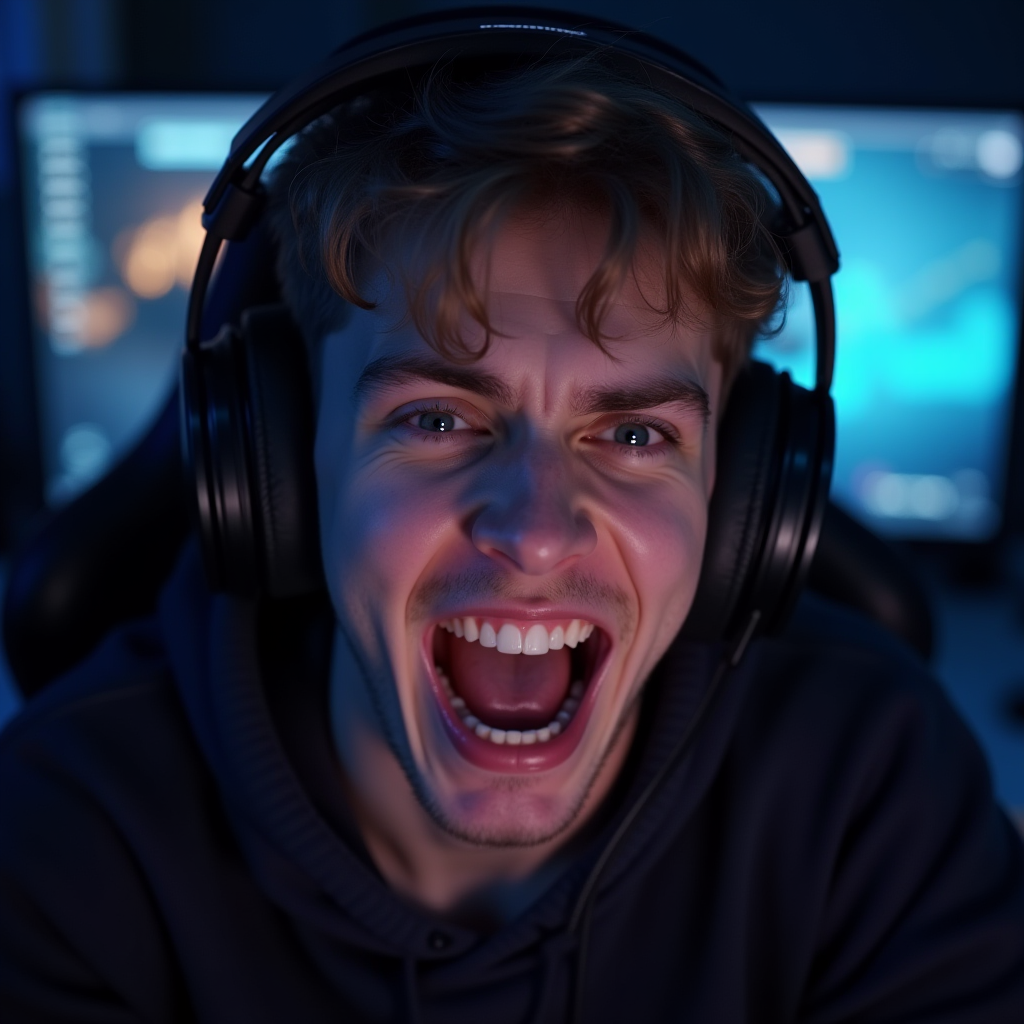
Unfiltered emotional responses create authenticity signals that polished reviews cannot match
This authenticity extends beyond emotional reactions to include the full spectrum of gameplay experience. Viewers watch creators struggle with difficult sections, experiment with different strategies, and sometimes fail repeatedly. They see the game's rough edges alongside its highlights. This comprehensive exposure provides a more complete picture than a review that summarizes 20 hours of gameplay into a few paragraphs of analysis.
The transparency of watching unedited gameplay creates a sense that viewers are forming their own opinions alongside the creator, rather than being told what to think. Even when creators explicitly state their views, the hours of observable gameplay provide context that allows viewers to mentally separate the creator's subjective preferences from objective game qualities. This participatory evaluation process feels more trustworthy than accepting a reviewer's conclusions without witnessing the underlying experience.
The Vulnerability Factor
Content creators often share personal struggles, frustrations, and vulnerabilities during streams in ways that professional reviewers rarely do. When a streamer admits they're having a bad day, discusses personal challenges, or shows genuine frustration with their own performance, it humanizes them in ways that build deeper trust. This vulnerability signals that the creator isn't maintaining a professional facade—they're being real, which makes their gaming opinions feel more genuine and relatable.
Shared Gaming Identity: "One of Us" vs. "The Industry"
A critical psychological factor in gamer trust is the perception of shared identity. Content creators are typically viewed as fellow gamers who happen to have an audience, while professional reviewers are often seen as part of "the gaming industry"—a nebulous entity that includes publishers, developers, and media outlets with complex, sometimes conflicting interests.
This distinction matters enormously for trust. Social identity theory suggests that people are more likely to trust and be influenced by those they perceive as part of their in-group. Content creators, especially those who started as regular players before building audiences, maintain strong in-group status. They speak the community's language, share its values, and often explicitly position themselves as player advocates rather than industry insiders.
Key Identity Markers That Build Trust:
- Community Language: Using gaming slang, memes, and references that signal insider status
- Shared Frustrations: Openly criticizing industry practices like microtransactions, crunch culture, or misleading marketing
- Player Perspective: Evaluating games from a player's viewpoint rather than an analytical or artistic framework
- Accessibility: Being reachable through social media, responding to comments, and acknowledging community feedback
- Transparency About Sponsorships: Clearly disclosing paid promotions and maintaining critical perspectives even on sponsored content
Professional reviewers, despite often being passionate gamers themselves, face structural barriers to maintaining this in-group status. Their institutional affiliations, access to early review copies, attendance at industry events, and relationships with publishers create perceived conflicts of interest. Even when reviewers maintain strict ethical standards, the appearance of industry entanglement can undermine trust among players who view themselves as outside that system.
Content creators benefit from being perceived as independent voices who could, theoretically, say anything without institutional consequences. While successful creators do have business relationships and sponsorship deals, these are typically more transparent and feel more like peer-to-peer transactions than institutional arrangements. When a creator says "this sponsor gave me a code to share, but I'm going to be honest about the game," viewers generally believe them because the creator's reputation and audience relationship are their primary assets.
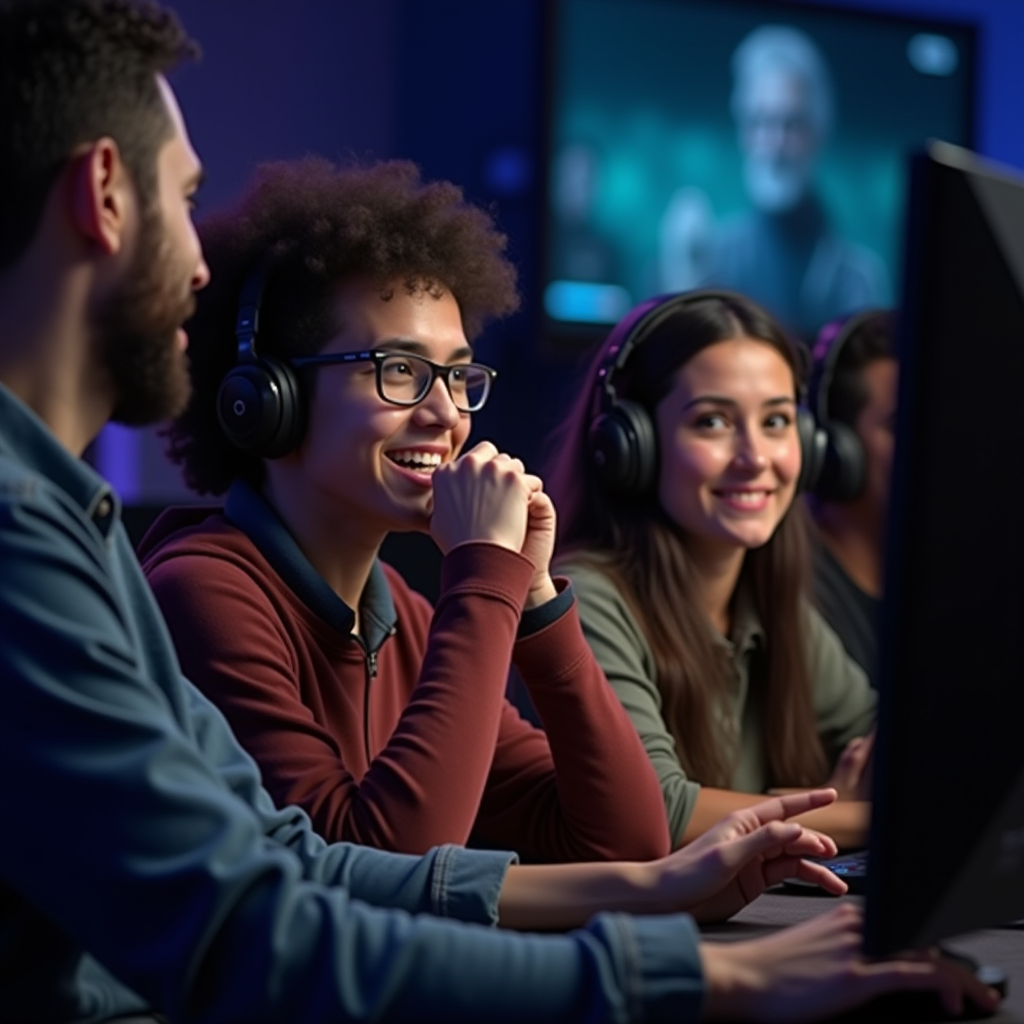
Shared gaming identity creates in-group trust that transcends traditional media relationships
The Transparency of Unedited Gameplay: Seeing Is Believing
Perhaps the most fundamental advantage content creators have over traditional reviewers is the simple fact that viewers can watch the game being played. This visual evidence provides a level of transparency that written reviews, no matter how detailed, cannot match. When evaluating whether to purchase a game, seeing 30 minutes of actual gameplay often provides more useful information than reading 3,000 words of description and analysis.
This transparency operates on multiple levels. First, it allows viewers to assess visual quality, art style, and technical performance directly. A reviewer might describe graphics as "stunning" or "dated," but these subjective assessments mean different things to different people. Watching gameplay lets each viewer apply their own standards and preferences. Someone who values frame rate over visual fidelity can observe performance; someone who cares about art direction can evaluate aesthetic choices; someone concerned about UI design can see the interface in action.
Gameplay Mechanics Made Visible
Beyond visuals, unedited gameplay reveals mechanical depth and complexity in ways that descriptions cannot. Viewers can observe combat systems, puzzle-solving mechanics, exploration loops, and progression systems in action. They can see how responsive controls feel, how intuitive menus are, how satisfying moment-to-moment gameplay appears. This observational learning provides concrete information that helps viewers predict their own potential enjoyment.
Crucially, extended gameplay footage reveals pacing and structure. A reviewer might mention that a game "starts slow" or "has pacing issues," but watching a creator play through the opening hours shows exactly what that means. Viewers can judge for themselves whether the slow start is atmospheric world-building they'd enjoy or tedious padding they'd find frustrating. They can see how long tutorial sections last, how frequently gameplay is interrupted by cutscenes, and how quickly the game introduces new mechanics.
The "Show, Don't Tell" Advantage
Traditional reviews must describe experiences through language, which introduces layers of interpretation and potential miscommunication. Content creators show the experience directly, allowing viewers to form impressions based on primary evidence rather than secondary description. This fundamental difference in information delivery creates a trust advantage that no amount of writing skill can overcome.
Technical Issues and Performance
The transparency of live gameplay is particularly valuable for assessing technical quality. When a game crashes during a stream, when frame rates drop during intense action, when bugs disrupt gameplay—viewers see these issues firsthand. They can judge severity and frequency rather than relying on a reviewer's summary assessment. This is especially important in an era when many games launch with technical problems that may or may not affect individual players depending on their hardware and circumstances.
Moreover, watching gameplay on hardware similar to what viewers own provides practical performance information. If a creator plays on a mid-range PC and experiences smooth performance, viewers with similar setups gain confidence. If a creator with high-end hardware encounters problems, it signals serious optimization issues. This practical, observable information often proves more useful than technical analysis in reviews.
Community Validation and Social Proof in Gaming Decisions
Content creators don't operate in isolation—they're embedded in communities that provide additional layers of validation and social proof. When a creator shares an opinion about a game, their community responds in real-time through chat, comments, and social media. This creates a dynamic feedback loop where opinions are tested, challenged, and refined through collective discussion.
This community validation serves as a powerful trust mechanism. If a creator praises a game but their community pushes back with legitimate criticisms, viewers witness that disagreement and can factor it into their evaluation. If a creator criticizes a game and their community largely agrees, that consensus provides social proof that the criticism is valid. This transparent discourse creates a more nuanced, multi-perspective evaluation than a single reviewer's opinion.
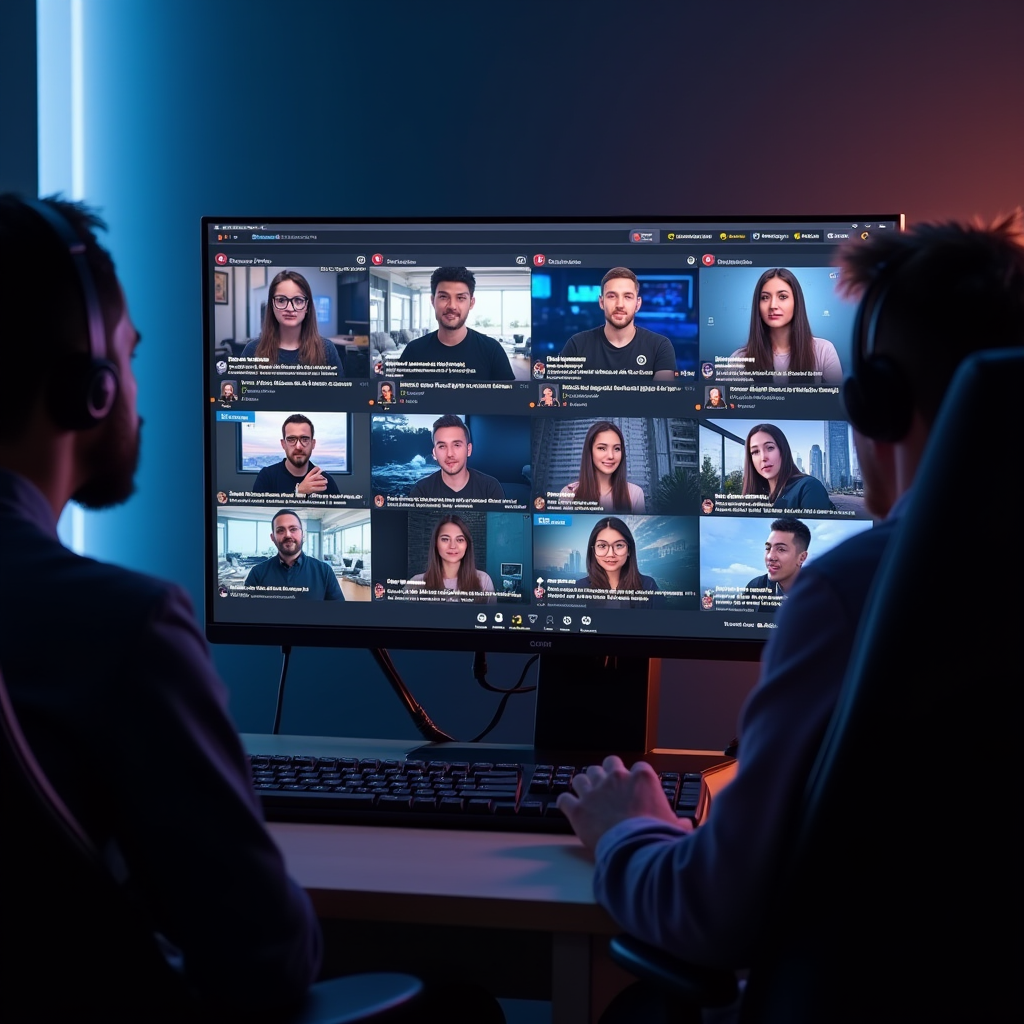
Community discourse provides real-time validation and multiple perspectives on game quality
The social proof extends beyond individual creator communities to the broader gaming ecosystem. When multiple creators across different communities reach similar conclusions about a game, it creates powerful consensus that feels more trustworthy than professional critical consensus. This is partly because creator opinions emerge organically from gameplay rather than from coordinated review schedules, and partly because the diversity of creator perspectives (different genres, playstyles, and audience demographics) provides broader validation.
The Reddit and Steam Reviews Connection
Content creator opinions often align with and amplify community sentiment found in platforms like Reddit gaming communities and Steam reviews. This alignment reinforces trust because it demonstrates that creators share the community's values and standards. When a creator's assessment matches what players are saying in user reviews and forum discussions, it validates both the creator's judgment and the community's collective wisdom.
This creates a self-reinforcing trust ecosystem where honest player feedback from multiple sources—creators, user reviews, forum discussions—converges to form a comprehensive picture of a game's quality. Professional reviews exist outside this ecosystem, making them feel less connected to the community-driven evaluation process that many gamers now consider the most reliable source of information.
The Future of Gaming Evaluation: Hybrid Trust Models
The trust gamers place in content creators over professional reviewers isn't simply a matter of preference—it reflects fundamental psychological mechanisms around authenticity, shared identity, transparency, and social proof. Content creators have built trust through parasocial relationships, unfiltered gameplay, community engagement, and perceived independence from industry influence. These advantages create a trust foundation that traditional media struggles to match.
However, this doesn't mean professional reviews have no value. The most sophisticated gamers often use a hybrid approach, consulting multiple sources: watching gameplay from trusted creators for practical assessment, reading professional reviews for analytical depth and historical context, checking user reviews for community consensus, and participating in forum discussions for diverse perspectives. This multi-source evaluation leverages the strengths of each information type while compensating for individual weaknesses.
As the gaming media landscape continues evolving, understanding why players trust certain sources over others becomes crucial for anyone trying to influence game choice or build credibility in gaming communities. The psychological factors driving trust—authenticity, shared identity, transparency, and community validation—will likely remain central to how gamers evaluate information, regardless of how specific platforms and personalities change over time.
The shift toward creator-driven evaluation represents more than changing media consumption habits—it reflects a fundamental transformation in how gaming communities form consensus, establish trust, and make collective decisions about which games deserve attention and investment.
For content creators, this trust is both an asset and a responsibility. The parasocial relationships that enable influence also create ethical obligations to maintain honesty, disclose conflicts of interest, and prioritize audience interests over short-term financial incentives. For professional reviewers and gaming media, understanding these trust dynamics offers opportunities to adapt by incorporating more transparency, community engagement, and authentic voice into their work.
Ultimately, the psychology behind gamer trust in content creators reveals broader truths about how digital communities form relationships, evaluate information, and make decisions in an age of abundant but variable-quality content. These insights extend beyond gaming to any field where community influence shapes consumer behavior and where authenticity and transparency compete with traditional expertise and institutional authority.