The gaming industry has witnessed a seismic shift in consumer behavior over the past decade. Where once players eagerly pre-ordered titles based on marketing campaigns and professional reviews, today's gamers have adopted a "wait and see" approach that fundamentally challenges traditional game marketing strategies. This transformation didn't happen overnight—it's the result of repeated disappointments, broken promises, and a growing realization that community consensus provides more reliable guidance than any pre-release hype cycle.
This cultural evolution represents more than just cautious spending habits. It reflects a profound change in how gamers evaluate information, assess risk, and make purchasing decisions. The rise of gamer skepticism has created a new paradigm where community-driven reviews and peer experiences hold more weight than million-dollar marketing campaigns or professional critic scores. Understanding this shift is crucial for anyone seeking to comprehend modern gaming culture and consumer psychology.

The Breaking Point: When Trust Shattered
The story of gamer skepticism cannot be told without examining the watershed moments that broke the implicit contract between developers and players. While disappointments have always existed in gaming, certain high-profile failures created lasting scars on the collective gaming consciousness. These weren't just bad games—they were systematic failures of transparency, honesty, and consumer respect that fundamentally altered how players approach new releases.
No Man's Sky launched in August 2016 with unprecedented hype, promising a virtually infinite universe of exploration and discovery. The marketing campaign showcased features that simply didn't exist in the final product. Players who purchased on day one found themselves in a game that bore little resemblance to what had been advertised. The backlash was immediate and severe, with refund requests flooding digital storefronts and the game's reputation plummeting. While Hello Games eventually redeemed themselves through years of free updates, the initial betrayal left an indelible mark on gaming culture.
The lesson was clear: pre-release footage and developer promises could not be trusted at face value. Players learned that waiting for community feedback wasn't just prudent—it was essential for avoiding expensive disappointments. This realization spread through gaming communities like wildfire, fundamentally changing purchasing patterns across the industry.

Cyberpunk 2077: The Final Straw
If No Man's Sky planted the seeds of skepticism, Cyberpunk 2077's December 2020 launch watered them into full bloom. CD Projekt Red, a studio with an impeccable reputation built on The Witcher series, released what many consider the most overhyped game in history. The gap between marketing promises and delivered product was staggering, particularly on last-generation consoles where the game was nearly unplayable.
What made Cyberpunk 2077's failure particularly significant was the systematic deception involved. Review copies were restricted to PC versions, preventing critics from warning console players about severe performance issues. The company actively prevented reviewers from using their own gameplay footage, controlling the narrative until launch day. When players finally got their hands on the game, they discovered not just technical problems but missing features, shallow systems, and a product that fell far short of the revolutionary experience that had been promised for years.
The Numbers Tell the Story
Within two weeks of Cyberpunk 2077's launch, CD Projekt Red's stock value dropped by 40%. Sony took the unprecedented step of removing the game from the PlayStation Store entirely. Refund requests reached such volume that the company had to establish a dedicated email address to handle them. The game that was supposed to define the next generation of gaming instead became a cautionary tale about the dangers of pre-ordering and trusting marketing hype.
These failures didn't just affect the companies involved—they fundamentally changed player behavior across the entire industry. Gamers who had been burned by pre-orders and day-one purchases began adopting a new strategy: wait for the community to weigh in. This shift created a new dynamic where the first week of a game's release became a public beta test, with early adopters serving as canaries in the coal mine for more cautious players.
The Community Consensus Model
In the vacuum left by declining trust in traditional marketing and professional reviews, a new system emerged: the community consensus model. This approach relies on aggregating feedback from thousands of actual players rather than trusting a handful of professional critics or marketing materials. Platforms like Steam, Reddit, and Discord became the new arbiters of game quality, with player reviews and community discussions providing the real information that purchasing decisions are based on.
The beauty of this system lies in its resistance to manipulation. While a single reviewer can be influenced by access, relationships, or bias, it's nearly impossible to fake consensus among thousands of independent players. When a game launches with problems, the community identifies them within hours. When marketing promises don't match reality, players document the discrepancies with screenshots and videos. This collective intelligence provides a level of transparency that traditional review systems simply cannot match.

Steam Reviews: The New Gold Standard
Steam's review system has become perhaps the most influential force in PC gaming purchasing decisions. The platform's simple thumbs up/thumbs down system, combined with detailed written reviews and playtime verification, creates a powerful tool for evaluating games. Players can see not just whether reviewers recommend a game, but how many hours they've played, when they purchased it, and whether they received it for free. This transparency helps readers assess the credibility of each review.
The system's power lies in its scale and accessibility. A game might have 50,000 reviews within its first week, providing a statistical sample size that dwarfs traditional review outlets. Players can filter reviews by purchase type, playtime, and date, allowing them to focus on the most relevant feedback. Recent reviews can highlight whether a game has improved or degraded over time, while filtering by playtime helps identify reviews from players who've actually experienced the full game rather than just the opening hours.
The "Recent Reviews" feature on Steam has become particularly crucial, allowing players to see if a game's quality has changed since launch. A title might have "Very Positive" overall reviews but "Mixed" recent reviews, immediately signaling that something has gone wrong—perhaps a bad update, increased monetization, or declining developer support.
This system has proven remarkably resistant to review bombing and manipulation attempts. While coordinated negative review campaigns occasionally occur, Steam's algorithms can detect unusual patterns and mark reviews as "off-topic" when they're clearly not related to the game's quality. The platform's transparency about these interventions maintains trust in the system while protecting against bad-faith actors.
Reddit and Discord: Real-Time Community Intelligence
While Steam reviews provide structured feedback, platforms like Reddit and Discord offer something equally valuable: real-time community discussion and problem-solving. Gaming subreddits become hubs of collective intelligence during major launches, with thousands of players sharing experiences, identifying issues, and developing workarounds for problems. This crowdsourced troubleshooting often moves faster than official support channels, providing immediate value to players encountering issues.
The discussion format allows for nuance that simple review scores cannot capture. Players can debate whether a game's flaws are deal-breakers or minor annoyances, discuss whether performance issues affect all systems or just specific configurations, and share tips for getting the most out of a game despite its problems. This contextual information helps potential buyers make informed decisions based on their specific circumstances and preferences.

The Psychology of Waiting
The shift toward waiting for community consensus represents a fascinating evolution in consumer psychology. Traditional marketing relies on creating urgency and FOMO (fear of missing out) to drive immediate purchases. Pre-order bonuses, limited editions, and day-one hype are all designed to make players feel they need to buy immediately or miss out on something valuable. For decades, this approach worked remarkably well in the gaming industry.
However, repeated disappointments have created a counter-narrative that's proven surprisingly resilient to marketing pressure. Players have learned that the "fear of missing out" is less painful than the regret of wasting money on a disappointing game. The temporary exclusion from launch-day discussions is a small price to pay for the confidence that comes from making an informed purchase decision. This represents a fundamental shift in how players weigh immediate gratification against long-term satisfaction.
The psychology of this waiting period is complex. Players aren't simply being cautious—they're actively engaging with the community evaluation process. They watch streams, read reviews, participate in discussions, and gradually build a comprehensive understanding of whether a game is right for them. This process transforms the pre-purchase period from passive anticipation into active research, making the eventual purchase decision feel more informed and confident.
The Two-Week Window
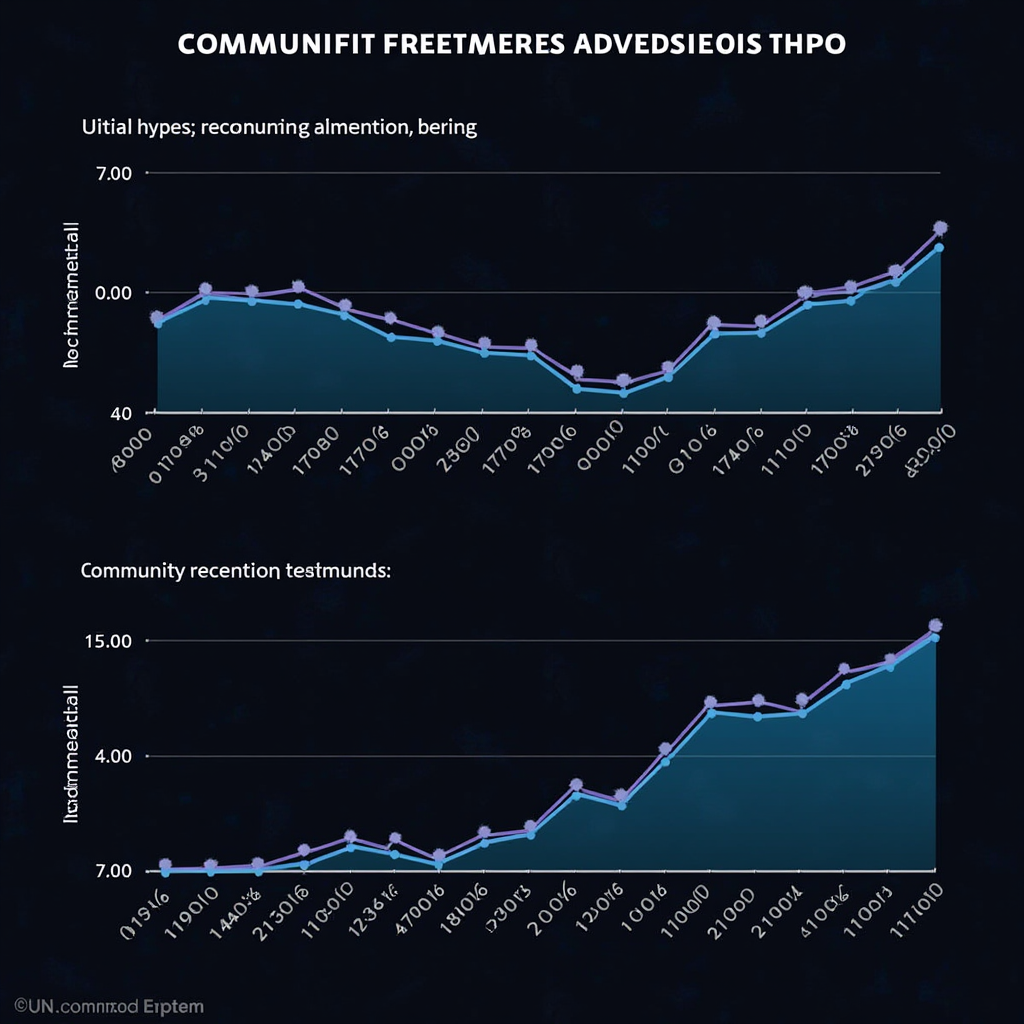
Industry analysts have identified a consistent pattern: games that maintain positive community sentiment for two weeks after launch typically achieve long-term success, while those that face community backlash in this window often never recover. This two-week period has become the new "launch window," with many players specifically waiting until this threshold passes before making purchase decisions.
Social Proof and Collective Wisdom
The community consensus model leverages powerful psychological principles, particularly social proof—the tendency to look to others' behavior when making decisions in uncertain situations. When thousands of players report similar experiences with a game, that collective testimony carries enormous weight. This isn't blind conformity; it's rational decision-making based on aggregated evidence from people with similar interests and circumstances.
The wisdom of crowds principle suggests that large groups of independent individuals often make better predictions and decisions than experts. In gaming, this manifests as community consensus frequently being more accurate than professional reviews in predicting whether a game will satisfy its target audience. Professional reviewers might focus on technical achievement or artistic merit, but community feedback centers on the practical question: "Is this game actually fun to play?"
The Impact on Game Development and Marketing
The rise of gamer skepticism has forced significant changes in how games are developed, marketed, and supported post-launch. Developers can no longer rely on marketing hype to carry a mediocre product to commercial success. The community consensus model creates accountability that didn't exist when purchasing decisions were made primarily on pre-release information. This shift has had both positive and negative effects on the industry.
On the positive side, the increased scrutiny has incentivized better quality control and more honest marketing. Developers know that any significant gap between promises and delivery will be immediately identified and widely publicized by the community. This has led to more conservative marketing that focuses on demonstrable features rather than aspirational promises. Some studios have embraced transparency, sharing development challenges and being upfront about limitations, which has actually built trust with their communities.
The negative impact manifests in increased pressure on launch day and the first week of release. Games that might have succeeded with a slower burn now face make-or-break community evaluation in their first days. This has led to crunch culture intensifying as studios desperately try to ensure smooth launches, knowing that technical problems or missing features will be immediately and permanently documented in community reviews. The window for first impressions has narrowed dramatically, with less room for games to find their audience over time.
The Live Service Response
One industry response to increased skepticism has been the rise of live service games and ongoing content updates. Rather than trying to convince players to purchase based on launch content alone, developers increasingly position games as evolving platforms that will improve over time. This approach acknowledges that community consensus can change, and a rocky launch doesn't have to mean permanent failure.
No Man's Sky itself exemplifies this strategy's potential. After its disastrous launch, Hello Games spent years adding features and content through free updates, gradually rebuilding community trust. The game's Steam reviews shifted from "Overwhelmingly Negative" to "Mostly Positive" as the community recognized the developers' commitment to delivering on their original promises. This redemption arc has become a template for other studios facing launch difficulties.
However, this approach has its own problems. Some developers use the promise of future updates as an excuse to launch incomplete games, essentially asking players to pay for the privilege of beta testing. The community has become increasingly skeptical of "roadmap" promises, having seen too many abandoned or under-delivered post-launch plans.
The Future of Gaming Consumer Behavior
The trend toward community-driven purchasing decisions shows no signs of reversing. If anything, it's likely to intensify as new generations of gamers grow up in an environment where waiting for community consensus is the norm rather than the exception. This shift represents a permanent change in the power dynamic between developers and consumers, with implications that extend far beyond individual purchasing decisions.
We're likely to see continued evolution in how games are marketed and launched. The traditional model of building hype through controlled information release and embargo-restricted reviews is increasingly ineffective when players simply wait for community feedback anyway. Forward-thinking developers are experimenting with alternative approaches: extended beta periods, early access programs, and transparent development processes that build trust before launch rather than trying to manufacture it through marketing.
The role of professional game criticism is also evolving. Rather than serving as gatekeepers who determine which games succeed, critics are becoming part of a broader information ecosystem where their voices are one input among many. The most successful critics are those who acknowledge this reality and position themselves as trusted community members rather than authoritative judges. Their value lies not in rendering verdicts but in providing detailed analysis that helps readers make informed decisions.
Platform Evolution and Consumer Protection
Digital distribution platforms are adapting to this new reality by implementing features that support informed decision-making. Steam's refund policy, which allows returns within two hours of playtime or two weeks of purchase, acknowledges that players need the ability to verify claims before committing to a purchase. Other platforms have followed suit, recognizing that consumer-friendly policies build long-term trust even if they reduce short-term sales.
We're also seeing platforms experiment with new ways to surface community feedback. User reviews, playtime statistics, and community discussions are being integrated more prominently into store pages. Some platforms are testing features that show how a game's reception has changed over time, or that highlight reviews from players with similar gaming preferences. These innovations recognize that the community consensus model isn't going away—it's becoming the foundation of how games are discovered and evaluated.

Conclusion: A More Informed Gaming Culture
The rise of gamer skepticism and the community consensus model represents a maturation of gaming culture. Players have learned from past disappointments and developed more sophisticated approaches to evaluating games and making purchasing decisions. This isn't cynicism—it's informed caution based on experience. The gaming community has collectively decided that waiting for reliable information is preferable to gambling on marketing promises.
This shift has created a healthier, more sustainable relationship between developers and players. Games that deliver on their promises and respect their audiences are rewarded with positive community sentiment and strong word-of-mouth sales. Those that rely on hype and deception face immediate and lasting consequences. The accountability created by community consensus benefits everyone in the long run, even if it makes marketing more challenging in the short term.
For individual gamers, the lesson is clear: there's no shame in waiting. The fear of missing out on launch-day excitement is far less painful than the regret of wasting money on a disappointing game. The community will still be there when you're ready to join, and you'll have the confidence that comes from making an informed decision. In an industry that has too often prioritized hype over honesty, patient skepticism isn't just smart—it's necessary.
The Bottom Line
The gaming industry has fundamentally changed. Community consensus now matters more than marketing budgets, and player trust must be earned rather than assumed. This represents a victory for consumers and a challenge for developers—but ultimately, it's a change that benefits everyone who cares about the long-term health of gaming culture.
As we move forward, the relationship between gamers and the industry will continue to evolve. But one thing is certain: the days of blind trust in marketing campaigns are over. The community has spoken, and its voice is louder than any advertising budget. For those willing to listen and adapt, this new reality offers opportunities to build genuine connections with players. For those who resist, the community consensus will render its verdict—and that verdict is final.