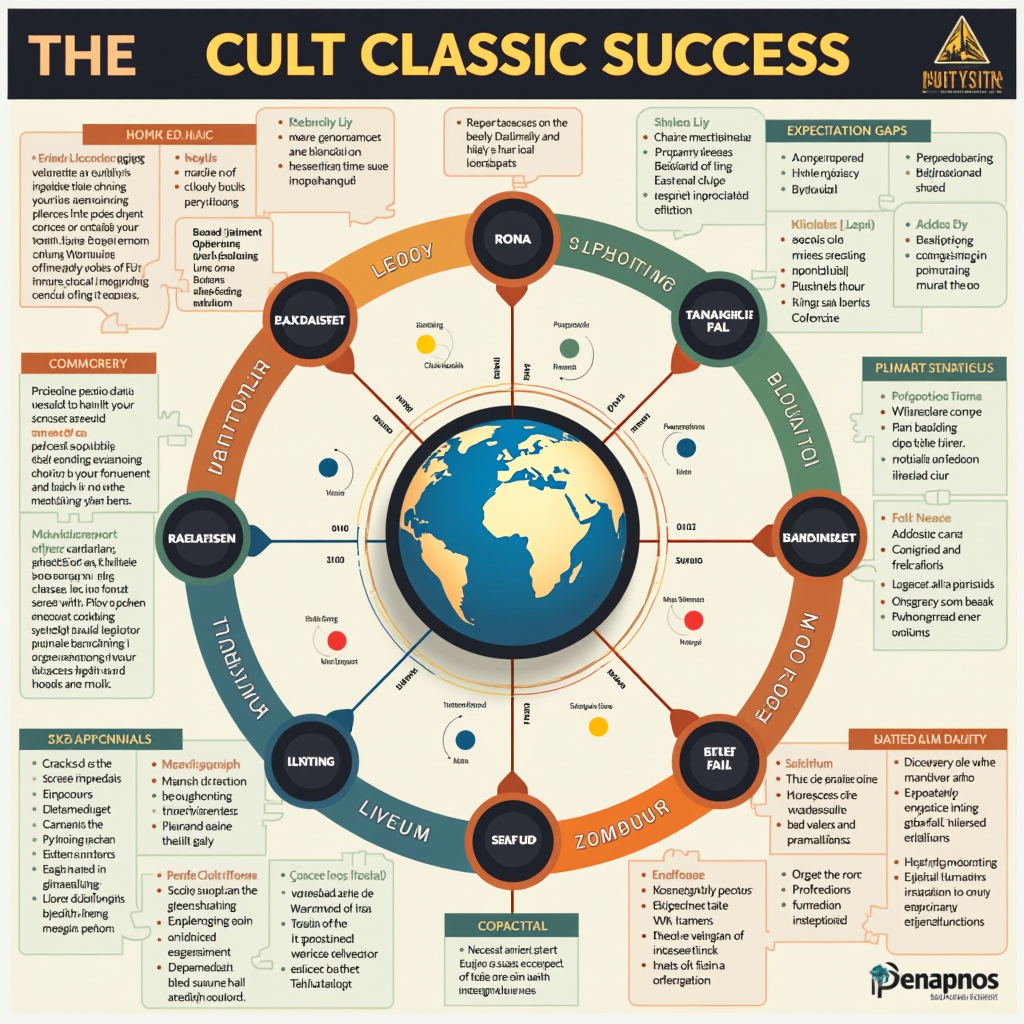
Why Mixed Reviews Create Cult Classics: The Psychology of Gaming Controversy

In the gaming industry, conventional wisdom suggests that high review scores equal success. Yet some of the most passionate, dedicated gaming communities have formed around titles with decidedly mixed Steam reviews. This phenomenon reveals a fascinating psychological truth: controversy and polarization can be more powerful community-builders than universal acclaim.
When a game receives mixed reviews—typically hovering between 60-75% positive on Steam—it signals something more complex than simple quality issues. These ratings often indicate that a game has made bold design choices, targeted a specific audience, or challenged gaming conventions in ways that don't appeal to everyone. For certain players, these are exactly the qualities that make a game worth championing.
This deep examination explores why games with mixed reviews frequently evolve into cult favorites, analyzing the psychology of player expectations, the power of niche appeal, and how controversy creates opportunities for games that resonate deeply with specific communities rather than appealing broadly to everyone.
The Expectation Gap: When Misalignment Creates Opportunity
Mixed reviews often stem from a fundamental disconnect between what a game promises and what players expect. This expectation gap is the first key to understanding cult classic formation. When marketing, genre tags, or initial impressions suggest one type of experience while the game delivers something different, the result is predictable polarization.
Consider games like "Death Stranding" or "No Man's Sky" at launch. Both received intensely mixed reviews because they defied player expectations in fundamental ways. Death Stranding marketed itself within the action genre but delivered a meditative walking simulator with unconventional gameplay loops. No Man's Sky promised features it couldn't deliver at launch, creating a massive expectation gap.
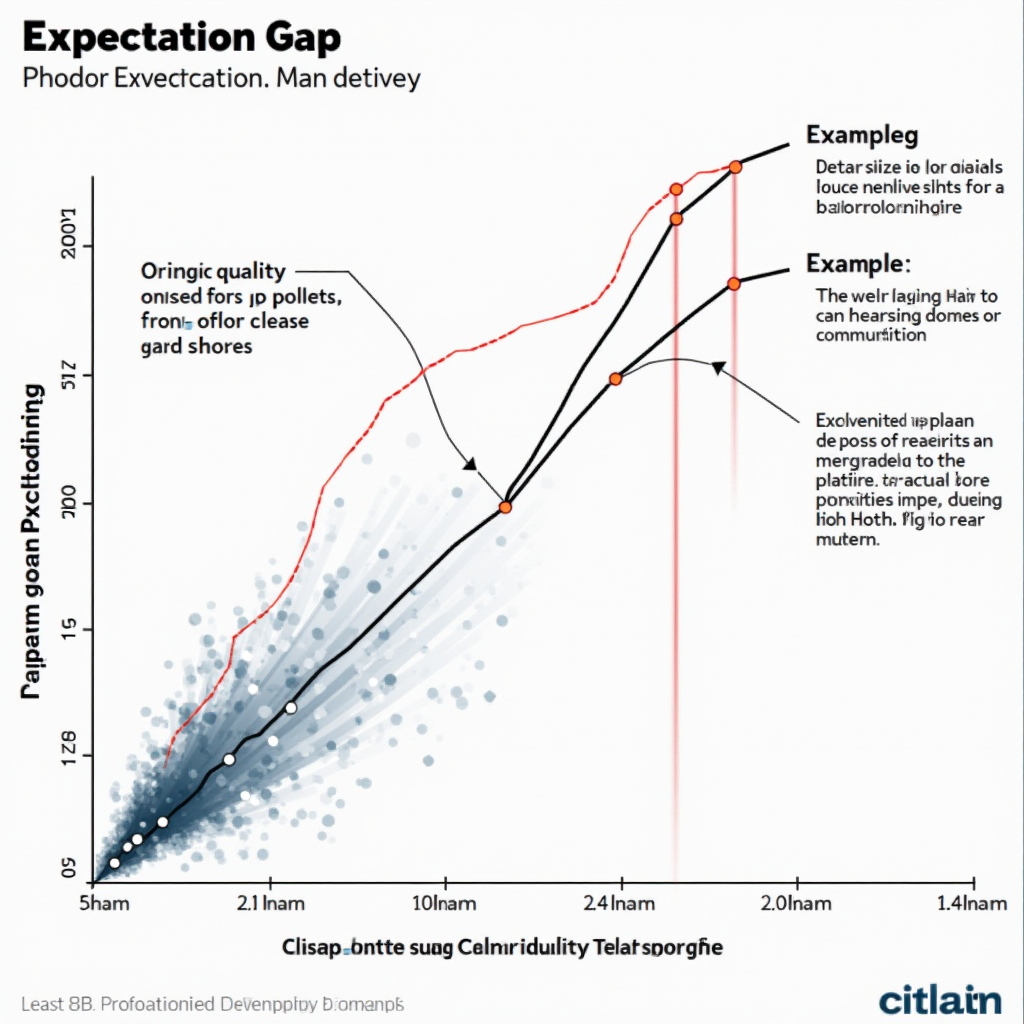
The psychology here is fascinating: players who arrive without rigid expectations—or who specifically seek something different—find exactly what they're looking for. These players become passionate advocates precisely because the game speaks to them in ways mainstream titles don't. The mixed reviews actually serve as a filter, attracting curious players willing to look past conventional metrics.
This creates a self-reinforcing cycle: negative reviews from disappointed players coexist with passionate positive reviews from those who "get it." The controversy itself becomes marketing, drawing attention and creating a sense that there's something worth investigating beneath the surface. Players begin to ask: "What are people missing? Why do some players love this so much?"
Niche Appeal and the Power of Specificity
Games that achieve cult status through mixed reviews typically excel at one crucial thing: they know exactly who they're for. Rather than trying to appeal to everyone, these games make bold, specific design choices that deeply resonate with a particular type of player while potentially alienating others. This specificity is their strength, not their weakness.
Common Characteristics of Cult Classic Games
- Unconventional Mechanics: Gameplay systems that challenge genre conventions and require player adaptation
- Steep Learning Curves: Complex systems that reward mastery but frustrate casual players
- Unique Aesthetic Choices: Art direction or narrative styles that polarize audiences
- Experimental Storytelling: Narrative approaches that break traditional gaming story structures
- Technical Ambition: Games that push boundaries but may have rough edges or performance issues
Take "Dwarf Fortress" as an example. Its ASCII graphics, overwhelming complexity, and brutal difficulty curve result in mixed reactions from new players. Yet for those who invest the time to learn its systems, it becomes one of the most rewarding gaming experiences available. The game's refusal to compromise its vision for broader appeal is precisely what makes it special to its dedicated community.
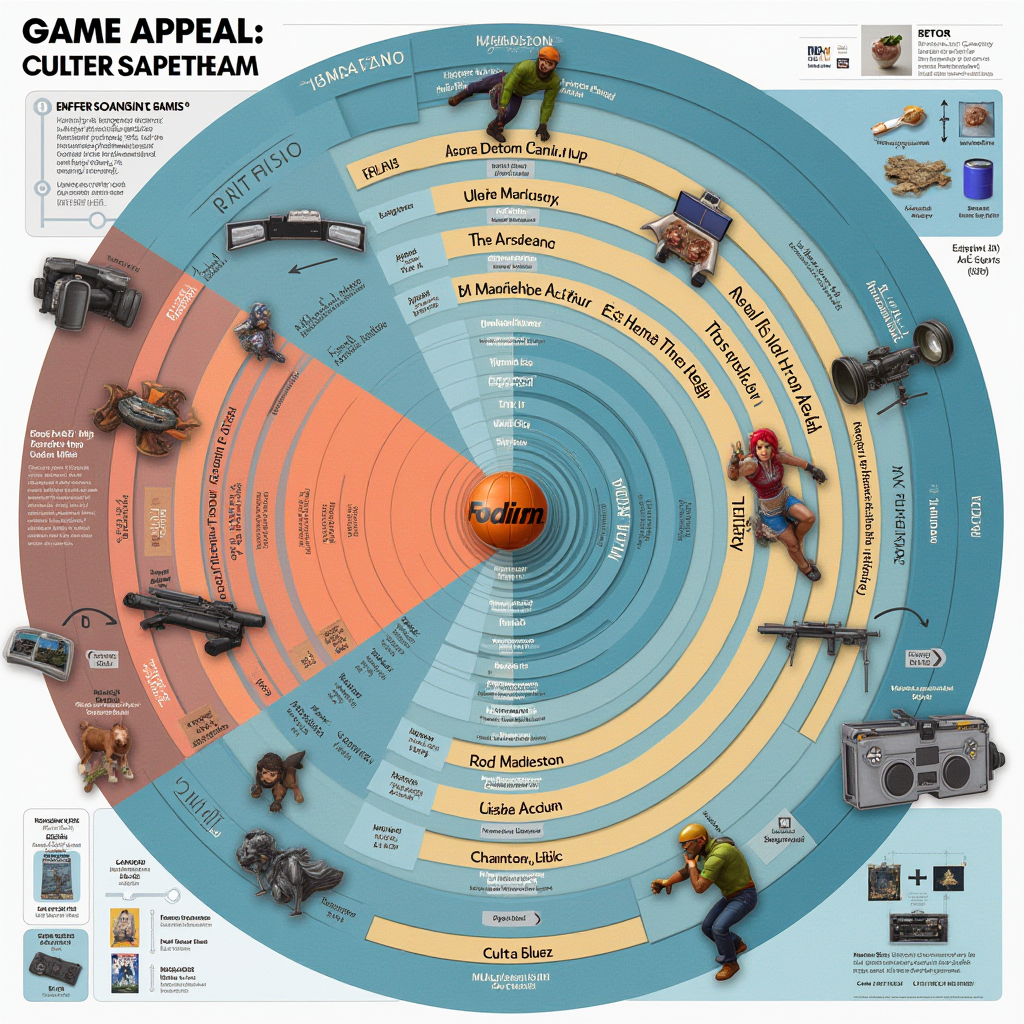
The psychology of niche appeal taps into fundamental human needs for identity and belonging. When players find a game that speaks specifically to their preferences—even if those preferences are unconventional—they experience a powerful sense of discovery and validation. This creates emotional investment that transcends simple entertainment value.
Moreover, the mixed reviews themselves become part of the game's identity. Players who love these games often wear their appreciation as a badge of honor, signaling their willingness to look past surface-level criticisms to find deeper value. The community forms around shared understanding that "not everyone will get this, but we do."
The Controversy Effect: How Debate Drives Engagement
Controversy is a powerful community-building force. When a game receives mixed reviews, it creates natural debate: Is it brilliant or broken? Innovative or frustrating? This debate generates far more engagement than universal praise or universal criticism ever could. Players feel compelled to defend their position, explain their perspective, and convince others to see what they see.
The Engagement Multiplier
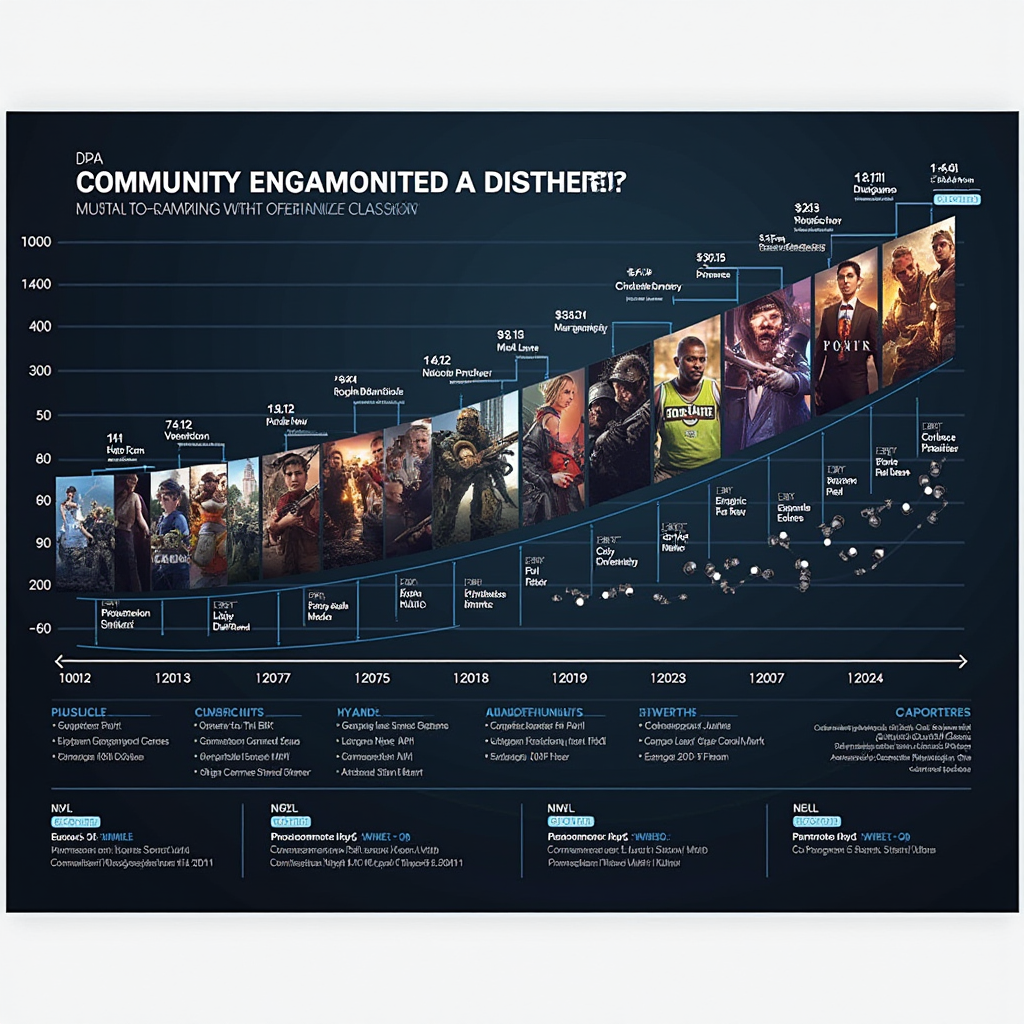
Games with mixed reviews generate significantly more community discussion than those with universally positive or negative reception:
This engagement creates visibility. A game with 95% positive reviews might be objectively better, but it generates less discussion because there's less to debate. Mixed review games stay in the conversation longer, appearing repeatedly in recommendation threads, analysis videos, and community discussions. Each debate is free marketing, keeping the game relevant long after its initial release.
The psychology of controversy also creates investment through the "sunk cost fallacy" and "effort justification." Players who defend a controversial game invest emotional energy in that defense. This investment makes them more likely to continue playing, to find additional positive aspects to justify their position, and to recruit others to their perspective. They become evangelists not despite the controversy, but because of it.
Furthermore, controversy creates curiosity. When players see passionate arguments on both sides, they want to experience the game themselves to form their own opinion. This "see for yourself" effect drives sales and player acquisition in ways that uniform praise rarely achieves. The mixed reviews become a challenge: "Can you handle what others couldn't? Will you see what they missed?"
Community Formation Through Shared Understanding
Perhaps the most powerful aspect of mixed review cult classics is how they foster tight-knit communities. When a game doesn't appeal to everyone, those who do connect with it feel a special kinship. They've found something others missed, discovered value where others saw flaws, and persevered where others gave up. This shared experience creates strong community bonds.
These communities often develop their own language, inside jokes, and cultural touchstones based on the game's controversial elements. What critics called "tedious" becomes "meditative." What others found "confusing" becomes "deep and layered." The community reframes the game's perceived weaknesses as strengths, creating a shared narrative that reinforces group identity.
Case Study: The Outer Wilds Phenomenon
"The Outer Wilds" launched with mixed reviews due to its unconventional structure and lack of traditional guidance. Players either bounced off immediately or became obsessed. The community that formed around it became legendary for:
- Refusing to spoil the experience for new players, creating elaborate spoiler-free recommendation guides
- Developing a culture of patient explanation for confused newcomers
- Creating extensive lore discussions and theory crafting
- Celebrating the game's "aha moments" as shared cultural experiences

The psychology here involves several factors. First, there's the "in-group bias"—humans naturally favor groups they belong to and view them more positively. When a game's community forms around shared appreciation for something controversial, this bias intensifies. Members feel they're part of something special, an enlightened minority who "gets it."
Second, there's the "underdog effect." Communities rally around games that feel underappreciated or misunderstood. They take on a protective, almost parental role, wanting to see the game succeed and gain recognition. This creates active community members who produce content, write guides, create mods, and actively recruit new players—all behaviors that sustain cult classics for years or even decades.
Finally, these communities often develop strong mentorship cultures. Because the games are challenging or unconventional, experienced players take pride in helping newcomers overcome the same hurdles they faced. This creates a welcoming environment that contradicts the game's mixed reviews, with veterans actively working to ensure new players have the context and support needed to appreciate what makes the game special.
The Long Tail: How Mixed Reviews Enable Sustained Success
One of the most counterintuitive aspects of mixed review cult classics is their longevity. While highly-rated games often see sharp sales spikes followed by decline, games with mixed reviews frequently exhibit "long tail" sales patterns—steady, sustained sales over years rather than months. This happens because the controversy and community engagement keep the game relevant long after its initial release window.
Cult classics often reach peak sales 1.5-3 years after launch
Total lifetime sales can exceed launch window by 5-10 times
Majority of sales come from community recommendations
The mechanism behind this sustained success is multifaceted. First, the ongoing community debate keeps the game visible in gaming discussions. Every few months, a new wave of players discovers the game through Reddit threads, YouTube videos, or friend recommendations, tries it, and either joins the community or adds to the controversy. This creates a self-sustaining cycle of discovery and discussion.

Second, these games often improve over time through updates, patches, and community mods. Developers of cult classics frequently maintain close relationships with their communities, implementing requested features and addressing concerns. This ongoing development keeps the game fresh and gives the community new reasons to recommend it. "It's much better now" becomes a powerful recommendation that brings back lapsed players and attracts new ones.
Third, the mixed reviews actually work in the game's favor over time. As the community grows and the game improves, the review score often trends upward. A game that launched at 65% positive might reach 75% or even 80% positive after a year or two. This improvement creates a narrative of redemption and growth that attracts players who appreciate games that evolve and respond to feedback.
The psychology of the long tail also involves timing and context. Players who discover a cult classic years after launch often do so with proper context—they've read the debates, watched analysis videos, and understand what they're getting into. This preparation reduces the expectation gap that caused initial mixed reviews, leading to more positive experiences and stronger community bonds.
Conclusion: The Value of Polarization
The phenomenon of mixed review cult classics reveals a fundamental truth about gaming and community: universal appeal is overrated. Games that try to please everyone often end up creating lukewarm experiences that satisfy no one deeply. In contrast, games that make bold, specific choices—even if those choices alienate some players—create opportunities for passionate communities to form around shared appreciation.
The psychology behind this phenomenon combines expectation management, niche appeal, controversy-driven engagement, community formation, and long-tail success patterns. Each element reinforces the others, creating a virtuous cycle that can sustain a game for years or even decades. Mixed reviews aren't a death sentence—they're often the first sign that a game has the potential to become something special for the right audience.
For players, this understanding should change how we approach game recommendations and reviews. A mixed review score doesn't mean "avoid this game"—it means "this game made specific choices that won't appeal to everyone, but might be exactly what you're looking for." The key is understanding what those choices are and whether they align with your preferences.
For developers, the lesson is equally important: don't be afraid to make bold choices. The path to cult classic status often runs through controversy and mixed reviews. If you're creating something truly unique, something that speaks to a specific audience in a specific way, embrace the polarization. The players who connect with your vision will form communities that sustain your game far longer than any marketing campaign could. In gaming, as in art, it's often better to be loved by some and hated by others than to be merely liked by everyone.